Post Date : 14
May || Created By : LocumNest
The Impact of Flexible Staffing on Healthcare Outcomes: Evidence and Case Studies
Introduction to Flexible Staffing in Healthcare
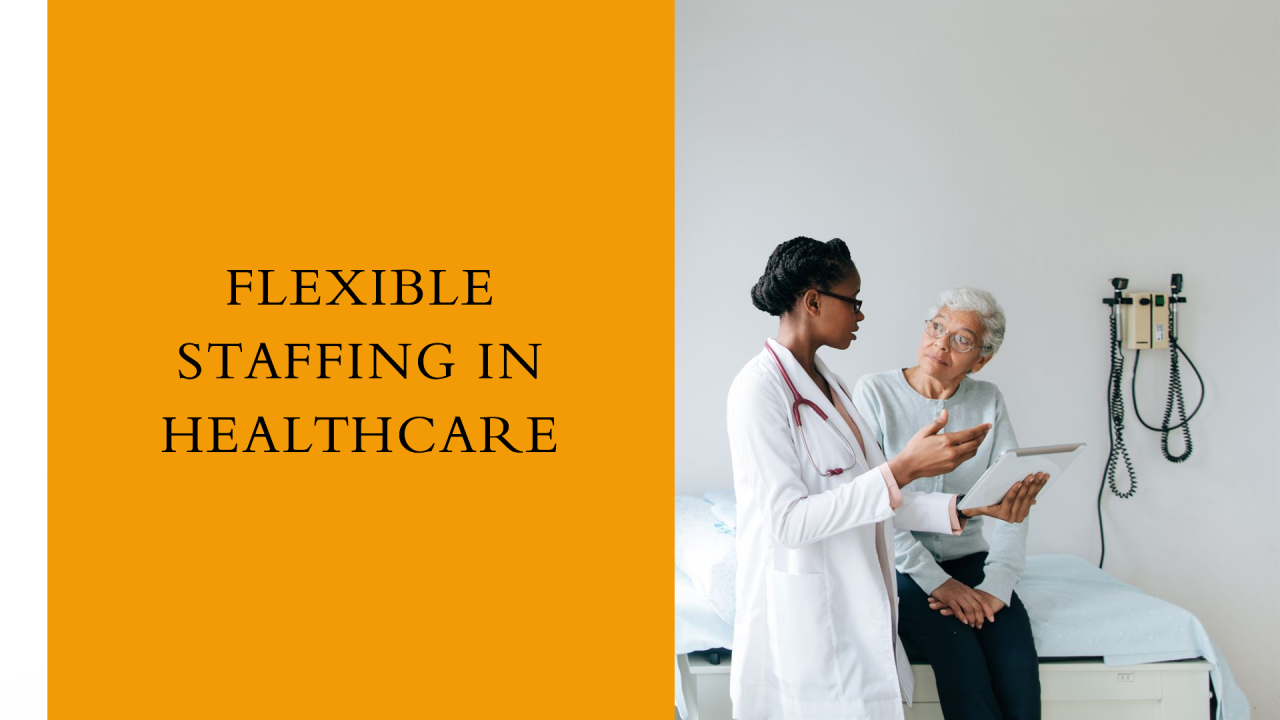
Flexible staffing in the healthcare sector encompasses a variety of employment arrangements designed to adapt to the dynamic needs of healthcare providers. These arrangements include part-time, temporary, and per diem staffing, allowing healthcare facilities to modify their workforce size and composition based on fluctuating demands. Flexible staffing practices have gained traction for several reasons, primarily driven by the need for cost efficiency, the requirement for specialized skills, and the necessity to manage varying patient volumes effectively.
Cost efficiency is a significant factor in the adoption of flexible staffing. By employing part-time or temporary staff, healthcare providers can reduce expenses associated with full-time employment benefits, such as health insurance, retirement plans, and paid leave. This approach enables facilities to allocate resources more judiciously, particularly during periods of lower patient intake, thus optimizing their operational budgets.
Another compelling reason for flexible staffing is the ability to access specialized skills on an as-needed basis. Healthcare providers often face situations requiring specific expertise, such as during medical emergencies or the introduction of new medical technologies. Temporary or per diem staff with specialized skills can fill these gaps, ensuring that patient care remains uninterrupted and of high quality.
Moreover, flexible staffing allows healthcare providers to respond adeptly to fluctuating patient volumes. Patient admission rates can vary due to seasonal illnesses, epidemics, or other unforeseen circumstances. Flexible staffing models enable healthcare facilities to scale their workforce up or down in response to these changes, thereby maintaining optimal patient-to-staff ratios and ensuring efficient and timely patient care.
While flexible staffing offers numerous benefits, it also presents certain challenges. From the provider’s perspective, reliance on temporary staff may lead to inconsistencies in care quality due to varying levels of familiarity with the facility’s protocols and procedures. For patients, this variability can impact their experience and continuity of care. Nonetheless, when managed effectively, flexible staffing can be a valuable strategy for healthcare providers striving to balance operational efficiency with high-quality patient care.
Evidence on the Impact of Flexible Staffing on Patient Outcomes
Flexible staffing in healthcare has become a focal point of numerous studies aimed at understanding its influence on patient outcomes. Research consistently shows that flexible staffing can have a significant impact on various metrics, such as patient satisfaction, recovery times, and readmission rates. A study published in the Journal of Healthcare Management highlighted that facilities employing flexible staffing models reported higher patient satisfaction scores. The ability to match staff expertise to patient needs more effectively was cited as a primary factor contributing to this positive outcome.
Furthermore, a 2021 study in the Journal of Nursing Administration found that flexible staffing correlates with reduced recovery times. The study demonstrated that patients in hospitals with flexible staffing models experienced shorter hospital stays, attributed to the timely and specialized care they received. By deploying staff where they are most needed, healthcare providers can address patient needs more rapidly, thereby enhancing the overall quality of care.
On the other hand, some studies reveal challenges associated with flexible staffing. For instance, an article in the International Journal of Nursing Studies pointed out that inconsistent care quality is a potential downside. The frequent rotation of staff can lead to a lack of continuity in patient care, which might negatively impact patient outcomes. Additionally, the same study highlighted staff burnout as a significant issue. The irregular work schedules and constant need for adaptability can lead to increased stress levels among healthcare professionals, potentially compromising the quality of patient care.
Despite these challenges, the evidence largely supports the notion that flexible staffing, when implemented effectively, can enhance patient care. It allows healthcare facilities to respond swiftly to changing patient needs, ensuring that the right expertise is available at the right time. However, to mitigate the downsides, healthcare institutions must develop robust strategies that address the issues of staff burnout and ensure consistency in patient care.
Case Studies of Flexible Staffing in Healthcare Settings
Flexible staffing models have increasingly become a vital component of healthcare management, offering a plethora of benefits and unique challenges. This section delves into several case studies from diverse healthcare settings to illustrate the impact of flexible staffing on healthcare outcomes. By examining hospitals, clinics, and long-term care facilities, we can gain insight into the specific strategies employed, the hurdles encountered, and the tangible results achieved.
In one notable case, a large urban hospital implemented a flexible staffing model to address fluctuating patient volumes. The hospital introduced a pool of cross-trained nurses who could be deployed across various departments as needed. This approach not only optimized staff utilization but also enhanced patient care by ensuring that adequate staffing levels were maintained during peak times. Despite initial resistance from some staff members due to concerns about role ambiguity, the hospital provided comprehensive training and clear communication, which eventually led to improved staff satisfaction and patient outcomes.
Another case study involves a rural clinic that adopted a flexible staffing strategy to manage limited resources efficiently. By employing part-time and temporary staff, the clinic was able to extend its operating hours and offer more specialized services. The flexible model allowed the clinic to respond swiftly to changes in patient demand, particularly during seasonal variations. Although the clinic faced challenges in ensuring consistent quality of care due to the varying experience levels of temporary staff, continuous performance monitoring and regular feedback sessions helped mitigate these issues.
A third example is a long-term care facility that integrated a flexible staffing model to better support its residents. The facility created a rotational schedule for its caregivers, allowing for more personalized care and reducing burnout among staff. This approach led to significant improvements in resident satisfaction and overall care quality. However, the facility also encountered difficulties in coordinating schedules and maintaining continuity of care. To address these challenges, the facility invested in advanced scheduling software and fostered a collaborative culture among staff members.
These case studies highlight the diverse ways in which flexible staffing can be successfully integrated into healthcare operations. They also underscore the importance of addressing potential challenges proactively, such as through targeted training, effective communication, and the use of technology. By learning from both successful and less successful implementations, healthcare organizations can refine their staffing strategies to better meet the needs of their patients and staff.
Future Directions and Recommendations for Healthcare Providers
As the healthcare landscape continues to evolve, flexible staffing remains a crucial strategy for optimizing healthcare outcomes. Emerging trends, including the integration of advanced technology and data analytics, are reshaping how healthcare providers manage staffing. These tools allow for more precise forecasting of staffing needs and enable real-time adjustments, ensuring that patient care is consistently maintained at high levels. The adoption of telehealth is another significant trend, offering flexibility for both patients and healthcare providers by reducing the need for in-person visits and allowing for remote consultations.
Healthcare providers looking to implement or refine their flexible staffing strategies should consider several key recommendations. First, investing in comprehensive training programs is essential. Staff should be adept not only in their clinical roles but also in utilizing new technologies and adapting to flexible work schedules. Effective communication is another cornerstone of successful flexible staffing. Regular updates and clear channels of communication can help mitigate misunderstandings and ensure that all team members are aligned with the organization’s goals.
Maintaining staff morale is equally important. Flexible staffing can sometimes lead to irregular work hours, which may affect work-life balance. Offering support through wellness programs, mental health resources, and opportunities for professional development can help keep staff motivated and engaged. Additionally, healthcare providers should establish clear guidelines and protocols to balance flexibility with the need for consistent, high-quality patient care. This includes setting minimum staffing levels and ensuring that all shifts are covered by appropriately skilled personnel.
Policy implications and the role of regulatory bodies cannot be overlooked in the discussion of flexible staffing. Healthcare providers should stay informed about relevant regulations and advocate for policies that support flexible staffing practices. Regulatory bodies can play a pivotal role by providing frameworks that ensure patient safety while allowing for the necessary flexibility in staffing.
In conclusion, the future of flexible staffing in healthcare looks promising, with technology and innovative practices paving the way for more efficient and effective care delivery. By following these recommendations, healthcare providers can successfully navigate the complexities of flexible staffing, ultimately leading to improved healthcare outcomes.